
How to Pick the Right Fence for Your Home?
Discover the best fencing materials, styles, and privacy options to enhance security and boost curb...

Creating a hazard-free workplace requires ongoing dedication from everyone involved, from top management to front-line workers.
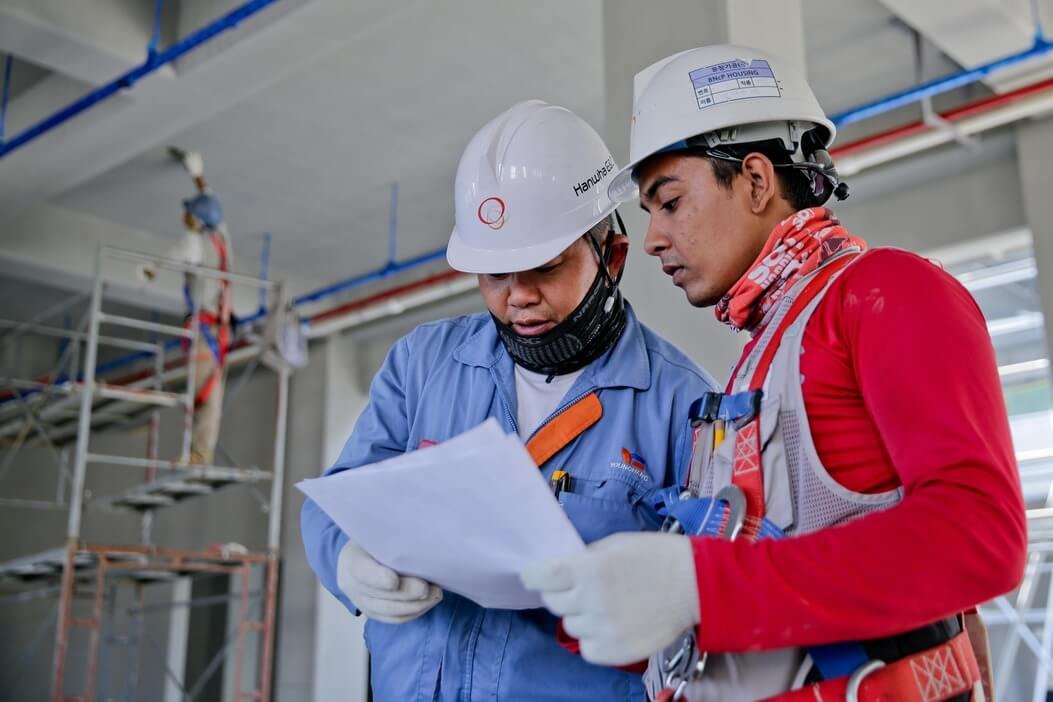
The weight of workplace safety rests heavily on management's shoulders, requiring both legal know-how and practical implementation skills. Today's managers can't afford to fall behind on OSHA regulations, industry standards, or the latest safety practices if they want to protect their teams effectively. When you consider that workplace injuries drain more than $170 billion from businesses annually in combined costs, it's clear why proactive hazard elimination isn't just about keeping people safe; it's essential for business survival. Building a genuine safety culture starts at the top and needs to flow naturally through every organizational level.
Workplace hazards show up in many forms, and spotting them takes careful, systematic observation. Physical dangers lurk around machinery, heights, and confined spaces like industrial vessels and tanks. Industry professionals know that proper access and maintenance of these spaces depend on manways for tanks to ensure safe entry and service. Chemical hazards pose another significant threat, with roughly 13 million U. S. Workers facing exposure to toxic substances, corrosive materials, and dangerous fumes each year. In healthcare and lab settings, biological hazards present unique challenges through exposure to various pathogens. Surprisingly, ergonomic hazards account for a third of all workplace injuries, ranging from repetitive strain to poor workspace design and incorrect lifting practices.
Strong risk assessment serves as the cornerstone of any serious hazard elimination strategy. Smart managers bring together employees from across departments to conduct thorough workplace surveys, capturing different perspectives on potential risks. Careful documentation of every incident, including seemingly minor ones and near-misses, often reveals bigger safety issues hiding beneath the surface. Statistics tell us that for every major accident, there are usually 29 smaller incidents and 300 near-misses that could have warned us. Quarterly safety audits should be the minimum, with higher-risk areas needing more frequent checks. Modern digital tools can help track patterns and spot potential problems before they turn into incidents.
After identifying hazards, putting effective controls in place becomes the next crucial step. Following the hierarchy of controls helps create a systematic approach, always trying to eliminate hazards completely when possible. When elimination isn't an option, engineering controls like machine guards and ventilation systems provide the next best protection. Administrative controls, such as refined work procedures and targeted training programs, add important safety layers. Personal protective equipment might be the last line of defense, but studies show it can cut injury rates by up to 60% when used properly. Success depends on maintaining strict equipment inspection schedules and keeping safety protocols current.
Building a safety-conscious workforce takes more than just basic training; it requires genuine employee engagement and comprehensive learning opportunities. Research backs this up, showing that companies investing in robust safety training see half as many workplace accidents as those with minimal programs. The most effective training mixes interactive sessions with hands-on practice and real-world examples. Having a diverse safety committee helps bring fresh perspectives to safety planning, while reward systems for safety improvements encourage everyone to take part in protecting the workplace. Regular updates and refresher courses keep safety knowledge sharp and current.
Creating a hazard-free workplace requires ongoing dedication from everyone involved, from top management to front-line workers. Success comes from blending thorough risk assessment with strong control measures and active employee participation. Organizations that stay committed to these strategies while keeping a watchful eye on safety protocols can dramatically reduce workplace incidents and foster a safer, more efficient environment. Safety management isn't a box to check off; it's an evolving process that adapts to workplace changes. While the investment in safety measures might seem significant, the returns in reduced costs, better productivity, and protected lives make it worthwhile many times over.
You must be logged in to post a comment.
Explore our curated selection of various articles in this category

Discover the best fencing materials, styles, and privacy options to enhance security and boost curb...

Choosing an alarm should involve more than just cost or present needs; it should be about assurance...

A security camera system should be strategically placed to cover entrances, exits, checkout areas, a...
